Geographic Provenance
Yemen's Honey Valleys & Microclimates
Single-origin traceability starts with recognizing that Hadrami, Usimi, and Shabwani honeys come from distinct climates, soils, and altitudes rather than one generic source.
Wadi Do'an (Hadramout)
October – December (main autumn Sidr bloom)- Terrain
- Deep limestone canyon cut into the Hadramout plateau
- Elevation & Climate
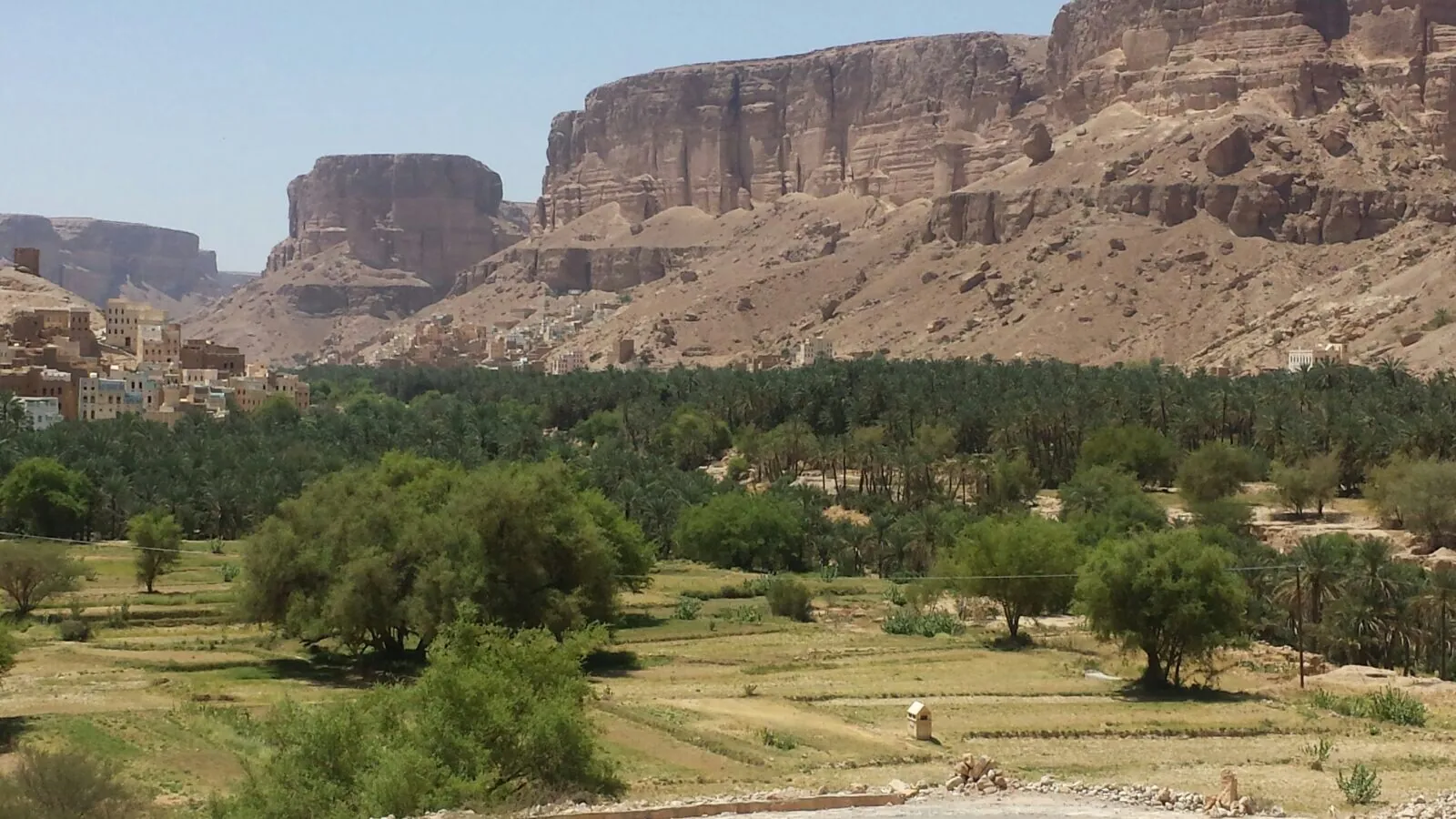
- Low altitude, arid canyon floor (~700–1,000 m) — Hot, low humidity, reliant on seasonal flash rains (sayl)
- Primary Flora
- Ziziphus spina-christi (Sidr), Acacia tortilis (Sumur)
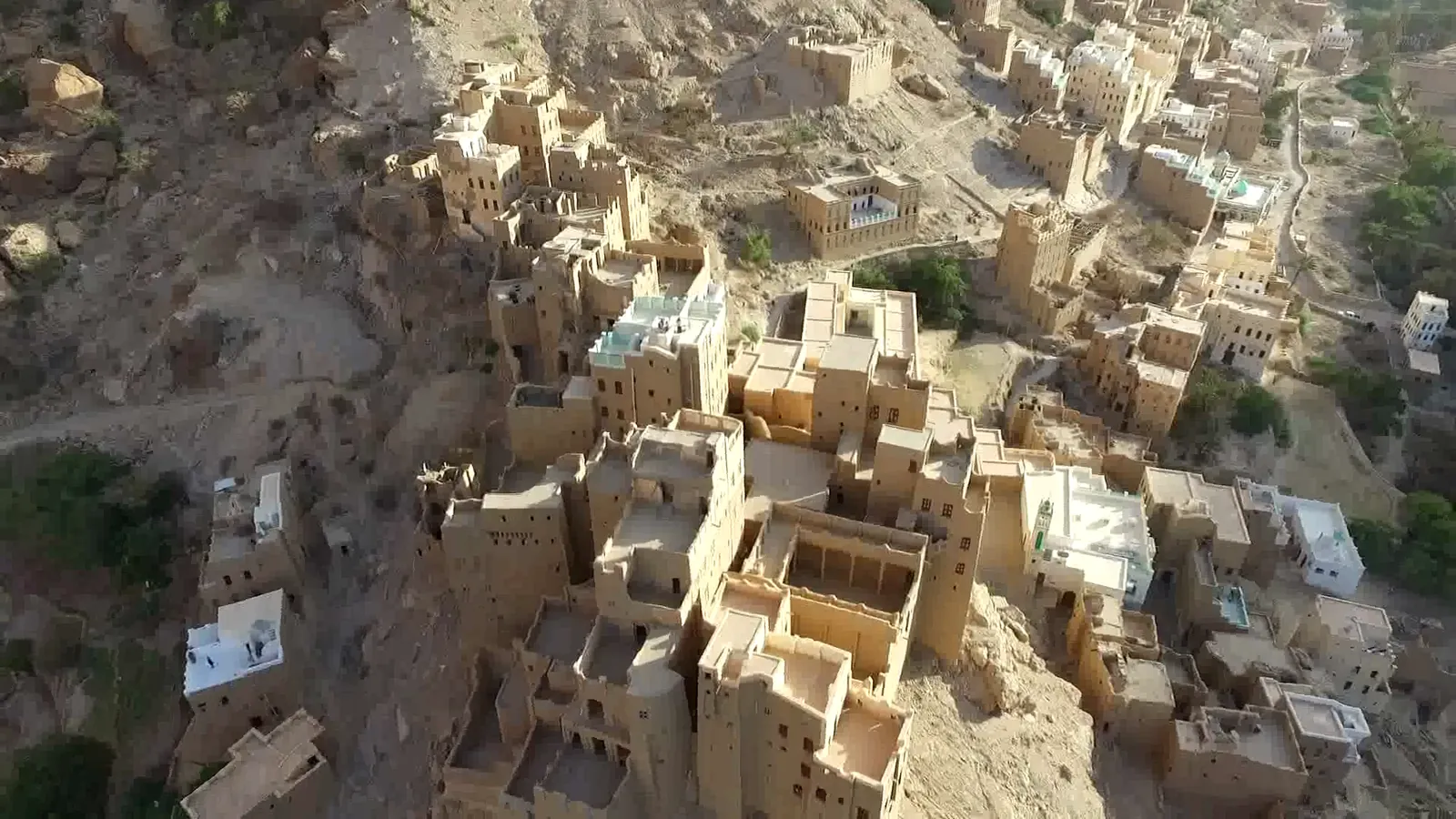
Wadi Do'an is Yemen's most famous canyon beekeeping corridor. Unirrigated wild Sidr trees root deep into silt along cliffside mudbrick villages, fed solely by intermittent wadi floods.
Cup & Texture Profile: Dense amber body, warm butterscotch-caramel finish, slow pour.
Usimate (Highland Terraces)
Late September – November- Terrain
- Terraced green mountain slopes and cooler highland valleys
- Elevation & Climate
- High altitude (~1,800–2,400 m) — Cooler nights, seasonal mountain mist and monsoon rain
- Primary Flora
- Ziziphus spina-christi, Highland wildflower & mountain scrub
In contrast to the desert canyons of Hadramout, Usimate's elevation and greener rainfall patterns yield a distinct highland harvest character often packaged with raw honeycomb.
Cup & Texture Profile: Brighter floral lift, lighter golden-amber hue, crisp herbal aroma.
Shabwah Governorate
October – December- Terrain
- Open arid plateau & desert wadis west of Hadramout
- Elevation & Climate
- Low to mid altitude, dry plateau — Dry desert air, intense sun, sparse wild forage
- Primary Flora
- Ziziphus spina-christi, Acacia hamulosa / desert flora
Once a crossroads along the ancient incense trade route, Shabwah's wide dry wadis sustain scattered wild Sidr stands harvested by migratory beekeepers tracking local rainfall.
Cup & Texture Profile: Deep mahogany-amber, woody resin warmth, bold lingering richness.
Haraz, Abyan & Socotra
March – July (Sumur/Marai), Autumn (Sidr/island)- Terrain
- Steep basalt terraces (Haraz) & endemic island woodlands (Socotra)
- Elevation & Climate
- Coastal plains to >2,500 m peaks — Monsoon-influenced coastal & island microclimates
- Primary Flora
- Acacia (Sumur & Salam), Wildflower (Marai), Endemic Socotri flora
Yemen's honey culture spans far beyond Sidr alone—including spring Acacia (Sumur and Salam) in Abyan/Tehamah and rare endemic harvests from Socotra Island.
Cup & Texture Profile: Ranging from dark molasses-like Sumur to bitter-medicinal Socotri wildflower.